Best Time of Year for Whale Watching in Kaikōura: Month-by-Month Guide

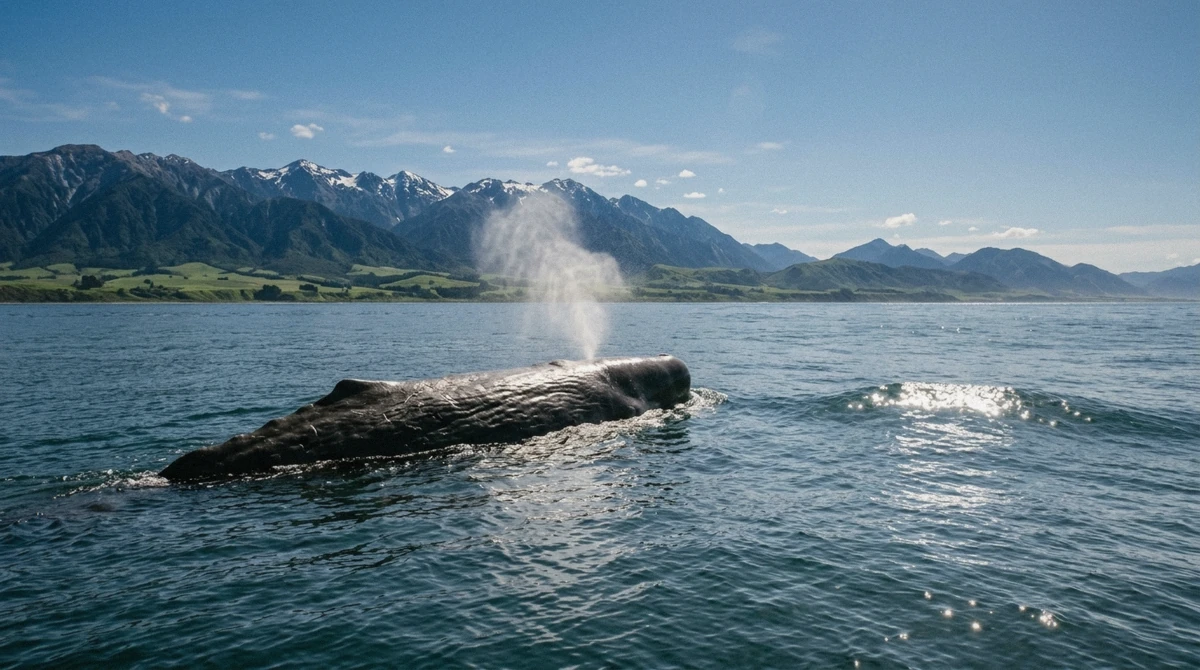
There is no closed kaikoura whale watching season, because the sperm whales that anchor every tour here are resident year-round rather than migratory visitors passing through on a schedule. So the real question is not when the whales show up, it is what each month adds on top of them: humpbacks pass on their northbound migration in June, July and early August, orca are reported most often between December and March, and the warmest, driest weather sits in December and January while July is both the coldest and the wettest month. Below is the month-by-month picture, with NIWA's own temperature and rainfall normals, so you can match a month to the trip you are actually taking.
Quick answer
There's no single best month, because sperm whales are resident here every month of the year. December to February is warmest and driest, June to early August adds migrating humpbacks on top of the resident whales, and December to March is when orca are reported most often. July is the coldest, wettest month and the one to plan around.
Key takeaways
- Sperm whales are resident every month; nothing about the Whale Watch Kaikōura cruise itself closes for a season
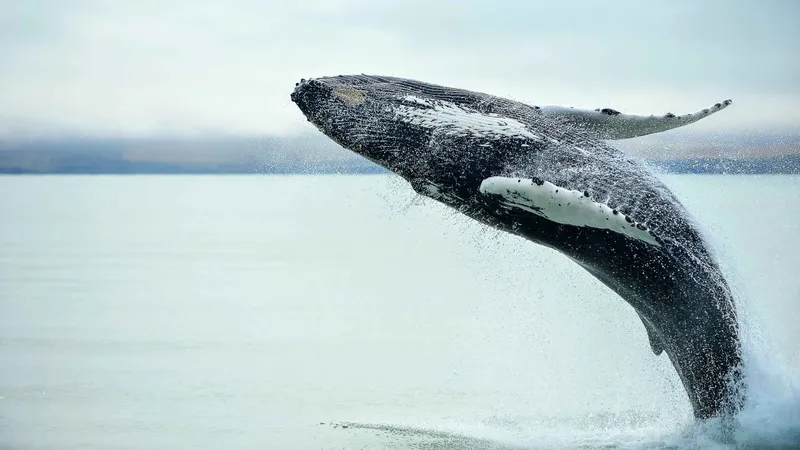
- Humpbacks pass through June, July and early August, on top of the resident sperm whales
- Orca are reported most often December to March, never guaranteed in any month
- July averages 10.8°C (51.4°F) and 101 mm of rain, the coldest and wettest month of the year
- A fourth 4:00pm sailing runs November to March only, see which sailing time to book below
- For getting to Kaikōura in the quieter months, see the day trips from Christchurch
Tours to Match Your Month
These three cover the boat, the day trip from Christchurch, and the flexible option worth booking whichever month you land on.
 from $103
Top Pick — 3,700+ Reviews
from $103
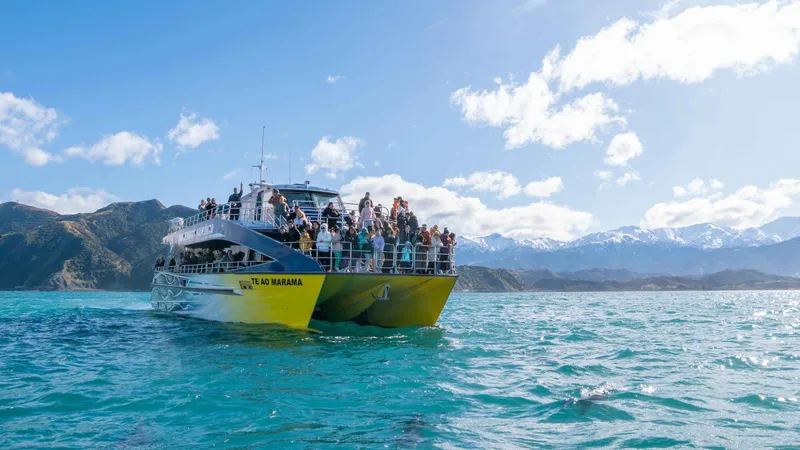
Top Pick — 3,700+ Reviews Kaikōura Sperm Whale Cruise with Hydrophone Tracking
Head out over the Kaikōura Canyon on a purpose-built catamaran while the crew listens for sperm whale clicks through an underwater microphone, positioning the boat before the whale…
- Crew track sperm whales by their clicks before they surface
- Watch the famous tail-up dive from water level
- Dusky dolphin pods and fur seals on most departures
- 80% refund if no whale is sighted
 from $162
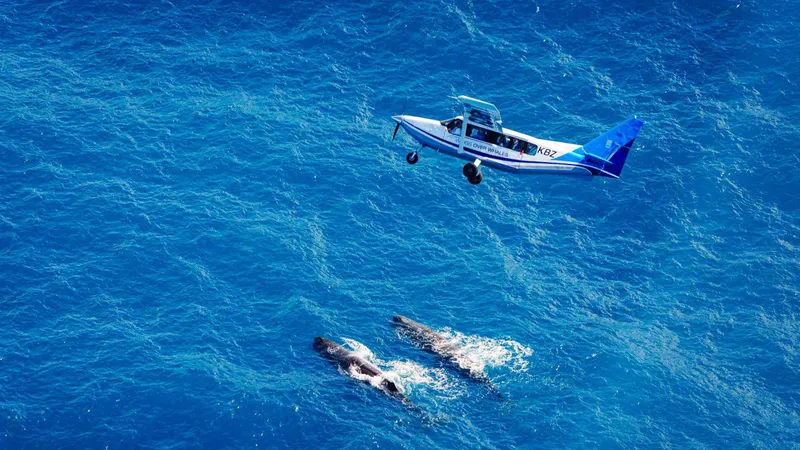
Whale-Spotting Scenic Flight over the Kaikōura Canyon
Board a small fixed-wing aircraft and look straight down on sperm whales resting at the surface — from the air you see the entire animal, nose to flukes…
- See the whale's full 15-metre outline from above
- Zero seasickness — ideal if open swell puts you off boats
- Live commentary from the pilot throughout
- Small aircraft with a window seat for everyone
 from $224
Kaikōura Whale Watching Day Trip from Christchurch
Leave the driving to a local guide: a full day from Christchurch that pairs the whale watching cruise with one of New Zealand's great coastal roads, where the…
- Door-to-door from central Christchurch hotels
- Whale watching cruise included in the price
- Photo stops along the State Highway 1 coast
- No rental car needed
Month by Month at a Glance
Crowds and the exact sailing schedule are typical patterns rather than published figures; the species and weather columns come straight from the operator, DOC and NIWA.
| Month | Wildlife / Conditions | Weather | Crowds | Verdict |
|---|---|---|---|---|
| January | Sperm whales resident; orca reported most often now | Warmest, driest (19.9°C max) | Peak (summer holidays) | Best overall, busiest |
| February | Sperm whales resident; orca season continues | Warm, dry (19.9°C max) | Peak, still full | Great weather, book ahead |
| March | Sperm whales resident; orca window closes | Warm, cooling (18.6°C max) | Moderate, thinning | Warm with fewer crowds |
| April | Sperm whales resident only | Cooling (16.1°C max) | Moderate | Good value, calmer town |
| May | Sperm whales resident only | Cooler (14.2°C max) | Low | Quiet, cooler water |
| June | Sperm whales resident; humpback migration begins | Cold, wetter (12.0°C max) | Low | Humpbacks arrive, quiet |
| July | Sperm whales resident; humpback migration continues | Coldest, wettest (10.8°C max, 101 mm) | Low | Coldest, wettest, humpbacks peak |
| August | Sperm whales resident; humpbacks tail off by early August | Cold (11.8°C max) | Low | Last humpbacks, quiet |
| September | Sperm whales resident only | Cool, drying out (13.8°C max) | Low | Quiet shoulder |
| October | Sperm whales resident only | Mild, improving (15.2°C max) | Moderate | Improving weather, good value |
| November | Sperm whales resident; extra 4:00pm sailing begins | Mild, warming (16.9°C max) | Moderate, building | Warming, more sailing options |
| December | Sperm whales resident; orca season begins | Warm, dry (18.9°C max) | Peak, holiday season | Orca season begins, warming fast |
The one row that never changes is the reason there's no closed season at all: sperm whales don't leave. Everything else on the table is what layers on top of that constant.
Weather and Sea Conditions by Month
Figures below are NIWA's official 1981–2010 normals for Kaikōura, mean daily maximum and minimum air temperature, and mean monthly rainfall. Treat them as typical, not a forecast, and check the current outlook close to your dates.
| Month | High | Low | Rain |
|---|---|---|---|
| January | 19.9°C (67.8°F) | 12.8°C (55.0°F) | 46 mm |
| February | 19.9°C (67.8°F) | 13.0°C (55.4°F) | 47 mm |
| March | 18.6°C (65.5°F) | 11.7°C (53.1°F) | 63 mm |
| April | 16.1°C (61.0°F) | 9.9°C (49.8°F) | 52 mm |
| May | 14.2°C (57.6°F) | 8.2°C (46.8°F) | 57 mm |
| June | 12.0°C (53.6°F) | 6.1°C (43.0°F) | 76 mm |
| July | 10.8°C (51.4°F) | 5.3°C (41.5°F) | 101 mm |
| August | 11.8°C (53.2°F) | 5.8°C (42.4°F) | 57 mm |
| September | 13.8°C (56.8°F) | 7.0°C (44.6°F) | 50 mm |
| October | 15.2°C (59.4°F) | 8.1°C (46.6°F) | 63 mm |
| November | 16.9°C (62.4°F) | 9.5°C (49.1°F) | 56 mm |
| December | 18.9°C (66.0°F) | 11.5°C (52.7°F) | 45 mm |
July is the coldest and wettest month at 10.8°C (51.4°F) and 101 mm, and December and January are the driest at around 45 to 46 mm. Annual rainfall averages 696 mm. Figures are sourced from NIWA's climate normals; check the forecast close to your dates, since it's sea state, not rain on its own, that actually cancels a sailing, and there's no published figure for how often that happens.
It's also worth remembering that it runs colder on the water than it feels standing in Kaikōura township; the boat operates in open South Pacific water, and warm layers matter even on a mild-looking day in town.
Why There Is No Closed Season Here
Most whale watching destinations run on a migration window: the whales arrive, stay a few months, and leave. Kaikōura works differently because the sperm whales here are resident year-round, drawn by the Kaikōura Canyon's unusually productive deep water rather than passing through on a seasonal route (the canyon's own story lives on our homepage, if you want the full explanation of why the whales stay put). That means the whole idea of a "season" applies to what else shows up alongside them, not to whether the core sighting is available at all.
That's a genuinely different planning problem than most whale destinations present. You're never choosing between "whale season" and "no whales," you're choosing between a warmer, busier window with orca in the mix, and a cooler, quieter window with humpbacks passing through instead. Both are real trade-offs worth naming plainly rather than pretending one month is simply better than the rest.
Whichever month you pick, the operator publishes a success rate of over 90% and refunds 80% of the fare if no whale is seen on the cruise; the full refund mechanics and the boat's schedule live on our seasickness and cancellations guide rather than here.
What Each Season Adds on Top of the Sperm Whales
Summer (December to February) is the warmest and driest stretch, and the window when orca are reported most often, though never guaranteed in any given month. It's also the busiest, coinciding with New Zealand's own summer holiday period, so the trade for the best weather and the orca chance is the fullest boats and the most competition for the earliest sailings.
Autumn (March to May) cools steadily and the orca window closes by the end of March, but the crowds thin out with it and the sea stays workable. It's a reasonable middle ground if you want calmer logistics without the coldest weather.
Winter (June to August) is genuinely the coldest and wettest stretch, July averaging 10.8°C (51.4°F) with 101 mm of rain, but it's also the only window with migrating humpback whales passing through Kaikōura's waters on their way north, in addition to the resident sperm whales. DOC has surveyed the Cook Strait humpback migration annually since 2004, and acoustic work has tracked northbound whales moving through central New Zealand waters in June, July and early August specifically. Southbound humpbacks largely don't retrace the same coastal route, so a spring humpback sighting isn't something to plan around.
Cold decks are the honest trade for the humpbacks, and it is the strongest argument for taking the 30-minute flight over the canyon in those months instead, where the cabin is out of the wind.
Spring (September to November) is the true shoulder season: improving weather, thinning winter crowds, and the extra 4:00pm sailing coming back onto the schedule from November. No major species event defines spring on its own; it's the transition between the humpback window closing and the orca window opening again in December.
Pick Your Month
If you want the driest, calmest weather and don't mind crowds
aim for December to February, the warmest and driest window of the year.
If you specifically want a chance at humpbacks on top of the resident sperm whales
book June, July or early August, the only window they pass through.
If orca are the animal you're chasing
December to March is when they're reported most often, though never guaranteed.
If you want fewer crowds without the coldest weather
April, May, September or October split the difference between summer's crowds and winter's cold.
If you're travelling on a tighter budget and flexible on timing
the quiet shoulder months below tend to have the least competition for sailings.
Which Sailing Time to Book
Whale Watch Kaikōura runs four possible departures: 7:45am, 10:30am, 1:15pm, and a 4:00pm sailing that operates November to March only. Which one to book depends less on the whales, sperm whales are on the water whichever slot you choose, and more on what else you want from the day.
If seeing dusky dolphins alongside the whales matters to you, be aware of the viewing rest period the operator observes from November to March: dolphins aren't approached for viewing between 11:30am and 1:30pm during those months, which sits close to the 1:15pm departure. The 7:45am and 10:30am sailings, and the 4:00pm sailing where it's running, sit clear of that window. Outside November to March, the rest period doesn't apply and all three regular sailings are on equal footing for dolphins.
Beyond that, the 7:45am sailing gets you back into town with the rest of the day free, useful if you're staying only one night, while the later sailings suit anyone building the tour around a morning drive up from Christchurch. See our day trip from Christchurch guide if you're timing this around transport rather than staying overnight. A morning sailing also leaves room to add a second look at the same whales later in the day; the extended whales and mountains flight runs an alpine circuit on top of the canyon.
Booking Ahead in the Busy Months
There's no published booking-lead-time figure for this operator, but the practical evidence is the schedule itself: the extra 4:00pm sailing only runs November to March, which is the operator's own signal that demand rises through that stretch. December, January and February, plus the June to early August humpback window for anyone specifically chasing that sighting, are the months worth locking in your preferred sailing time as early as your dates allow.
Every tour on this site carries free cancellation up to 24 hours before the start, so booking early to secure a specific sailing time doesn't lock you into anything if your plans shift. The cruise itself runs from $103 per person here, close to the operator's own Ocean Cabin range of NZD 60 to 175 (about USD 35 to 103) on its own site. Converted at NZD 1 = USD 0.59, checked August 2026.
Last verified: August 2026. If you are coming up from the city rather than staying in town, the full-day trip with hotel pickup locks the sailing and the transport together, which removes the worst of the timing risk in the busy months.
The Quietest Months to Visit
April, May and September sit outside both the summer peak and the humpback window, cool enough to thin out casual visitors but without July's combination of the coldest temperatures and the heaviest rainfall. If a quiet boat and easier logistics in town matter more to you than warm weather or a shot at a migrating humpback, these three are the months worth building a trip around.
The trade-off is honest rather than hidden: you're giving up the orca window and the warmest weather for a calmer version of the exact same year-round sperm whale experience everyone else is booking in January. The quieter months are also when the catamaran cruise feels least like a queue.
Frequently Asked Questions
What's the single best month for whale watching in Kaikōura?
There isn't one best month, because sperm whales are resident year-round. December to February gives the warmest, driest weather; June to early August adds migrating humpbacks; December to March is the best window for orca. Pick based on what you want alongside the whales, not on when they'll be there.
Is there a whale season in Kaikōura, or are whales here year-round?
Sperm whales are resident in Kaikōura every month of the year, drawn by the productivity of the Kaikōura Canyon. There's no closed season for the core sighting; what changes month to month is which other species pass through.
When can you see humpback whales in Kaikōura?
June, July and early August, on their northbound migration. DOC has tracked this Cook Strait migration annually since 2004. Southbound humpbacks largely take a different route, so spring sightings aren't expected.
When are orca seen in Kaikōura?
Most often between December and March, though they're unpredictable visitors and never guaranteed in any given month.
What is the weather like in Kaikōura in winter?
Cold and wet by New Zealand standards: July averages 10.8°C (51.4°F) with 101 mm of rain, the coldest and wettest month of the year. It's also the only window when humpback whales pass through.
Which sailing time has the calmest sea?
There's no published figure comparing sea state across the day's sailings. What is published is the dusky dolphin viewing rest period from 11:30am to 1:30pm, November to March, which is worth avoiding if dolphins matter as much to you as the whales.
Whichever month you land on, the sperm whales are the constant everything else here is built around; the choice is really about the extras, warmth, orca odds, humpbacks, or a quiet boat, that suit the trip you're actually taking. Check the sailings and flights over the canyon for the current schedule once you've picked your window.