Kaikōura Wildlife Beyond the Whales: Dolphins, Seals and Albatross
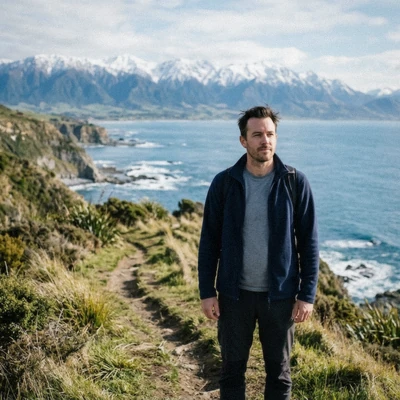
Kaikoura wildlife does not stop at the sperm whales, even though they get top billing. They share the water and the coastline with a cast most visitors underrate: dusky dolphins in pods that can run into the hundreds, New Zealand fur seals hauled out on the rocks at Point Kean, wandering albatross with a wingspan of about 3 metres out past the peninsula, and, for a few weeks each year, humpbacks on migration and unpredictable orca. This is what you are likely to see, sorted honestly by how often it actually happens, and where to find the free ones from land.
Quick answer
You'll almost always see New Zealand fur seals from land and, on the water, dusky dolphins are seen on most trips. Sperm whales are the reason for the boat itself, and albatross are a regular sight past the peninsula. Humpback whales (June to early August) and orca (most often December to March) are seasonal, lucky-day sightings, never guaranteed.
Key takeaways
- New Zealand fur seals are seen year-round from land at Point Kean, no boat required and no cost
- Dusky dolphin pods can number in the hundreds and are present year-round, seen on most water trips
- Wandering albatross, wingspan about 3 metres, are a regular sight past the peninsula
- Humpback whales pass through June, July and early August; orca are reported most often December to March, neither guaranteed
- The Kaikōura Peninsula Walkway is the free, self-guided way to see seals and the coastline in one 2.2 km walk
- For the resident sperm whales themselves, our best time to go guide covers what else is around each month
Tours That Cover the Wider Wildlife
These three put you on the water or up close to the coastline where the dolphins, seals and seabirds actually are, not just the whales.
 from $103
Top Pick — 3,700+ Reviews
from $103
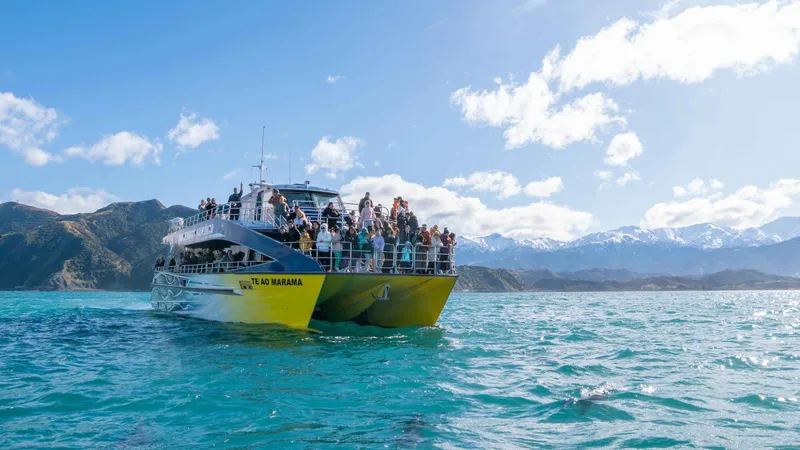
Top Pick — 3,700+ Reviews Kaikōura Sperm Whale Cruise with Hydrophone Tracking
Head out over the Kaikōura Canyon on a purpose-built catamaran while the crew listens for sperm whale clicks through an underwater microphone, positioning the boat before the whale…
- Crew track sperm whales by their clicks before they surface
- Watch the famous tail-up dive from water level
- Dusky dolphin pods and fur seals on most departures
- 80% refund if no whale is sighted
 from $224
Kaikōura Whale Watching Day Trip from Christchurch
Leave the driving to a local guide: a full day from Christchurch that pairs the whale watching cruise with one of New Zealand's great coastal roads, where the…
- Door-to-door from central Christchurch hotels
- Whale watching cruise included in the price
- Photo stops along the State Highway 1 coast
- No rental car needed
 from $218
Christchurch to Kaikōura: Guided Whale Watching Day Tour
A second full-day option from Christchurch with its own itinerary and departure dates — handy when the main day trip is sold out or doesn't fit your schedule…
- Alternative dates when other day tours are full
- Round-trip transport from Christchurch included
- Scenic drive along the rebuilt coastal highway
- Whale watching arranged as part of the day
What You Are Likely to See, By Likelihood
This is the one place on the site that ranks every species honestly by how often it's actually seen, using the same fixed likelihood language throughout: nearly every trip, most trips, regular but not every trip, lucky-day sighting, or rare.
| Species / Sight | Where in Kaikōura | Best months | How likely |
|---|---|---|---|
| New Zealand fur seal (kekeno) | Point Kean, Ohau Point | Year-round | Nearly every trip (from land) |
| Sperm whale | Kaikōura Canyon, on the cruise | Year-round, resident | Nearly every trip (on the water) |
| Dusky dolphin | Open water off the peninsula | Year-round, present in largest pods November to March | Most trips |
| Wandering albatross | Open water beyond the peninsula | Year-round | Most trips |
| Shearwaters (Buller's, sooty and others) | Open water beyond the peninsula | No published seasonal pattern | Regular but not every trip |
| Hector's dolphin | Inshore waters | No published seasonal pattern | Regular but not every trip |
| Humpback whale | Kaikōura Canyon, migrating past | June, July, early August | Lucky-day sighting (seasonal) |
| Orca | Coastal waters off Kaikōura | Most often December to March | Lucky-day sighting |
| Blue, southern right, pilot or minke whale | Occasional, no fixed site | No published seasonal window | Rare |
Read the seal and the sperm whale rows as two different kinds of "nearly every trip": the seals are a land-based, free, walk-up sighting, while the sperm whale is the reason you're on the water at all. Everything below the top of the table adds texture to a trip that already delivers on its headline promise.
The Sperm Whales Themselves
Sperm whale
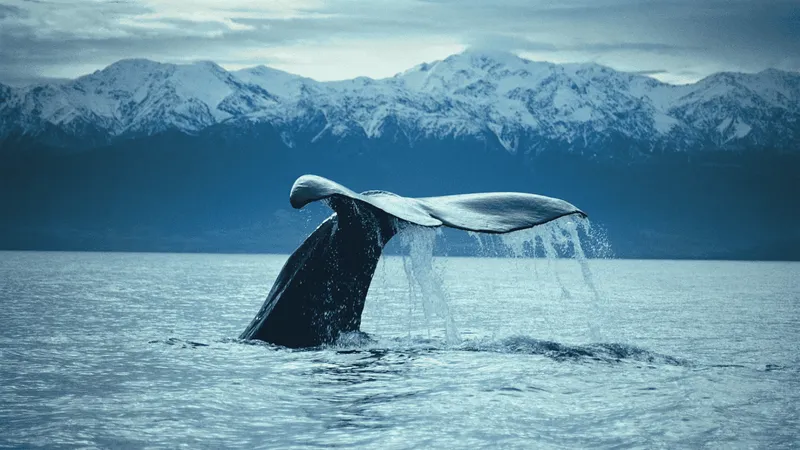
Mature males off Kaikōura reach about 15 to 18 metres, making them the largest toothed predator on Earth, and they're resident here every month of the year rather than passing through, which is the whole reason the $103 cruise can run whatever the calendar says. A whale rests at the surface for about 10 minutes between dives before arching its back and lifting its flukes on the way down, which is the moment most photographs actually capture. Crews find them with a directional hydrophone: a hunting sperm whale clicks continuously as it hunts at depth, and those clicks give its position away long before it surfaces.
It's a genuinely different way of finding an animal than scanning the horizon, and it's the reason the Whale Watch Kaikōura cruise can locate a whale in open water at all.
Dusky Dolphins
Dusky dolphin
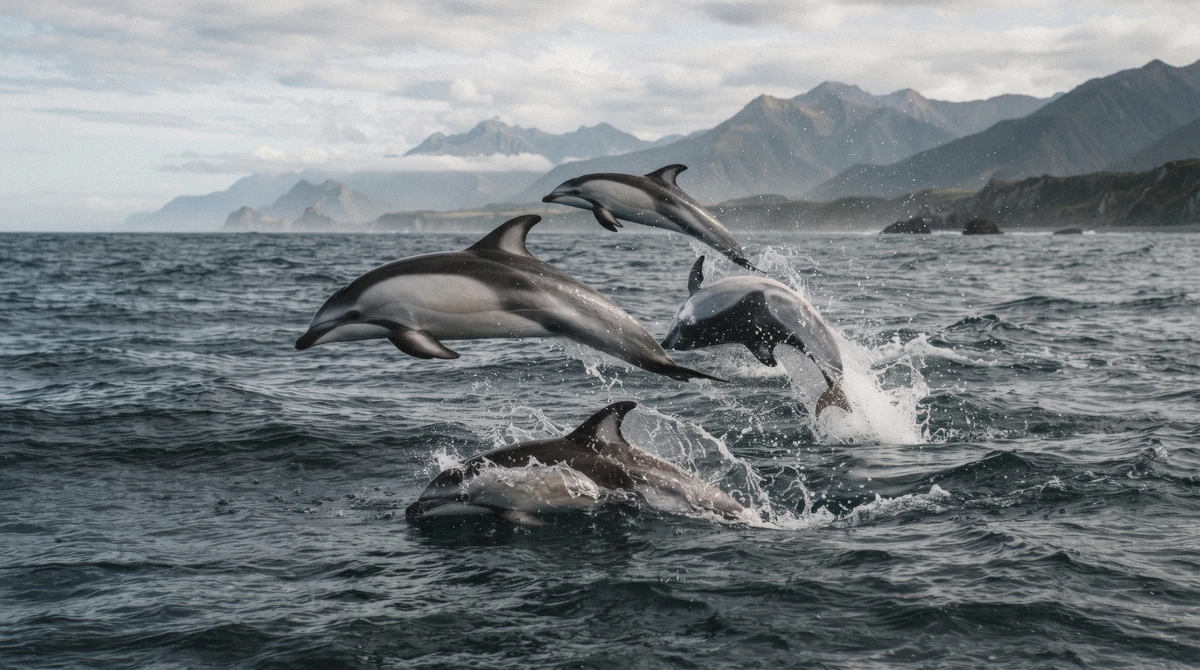
Dusky dolphins travel in pods that can number in the hundreds and are present off Kaikōura year-round, which makes them one of the more reliable sightings on a boat trip even on a day the whale search takes a while. From November to March, Whale Watch Kaikōura observes a viewing rest period for dusky dolphins between 11:30am and 1:30pm, so a pod encountered during that window during those months won't be approached for viewing the way it would outside it. Outside November to March, the rest period doesn't apply.
If a big pod is the priority for your trip, our best time to go guide covers which sailing times sit clear of that window.
New Zealand Fur Seals and Where to See Them From Land
New Zealand fur seal (kekeno)
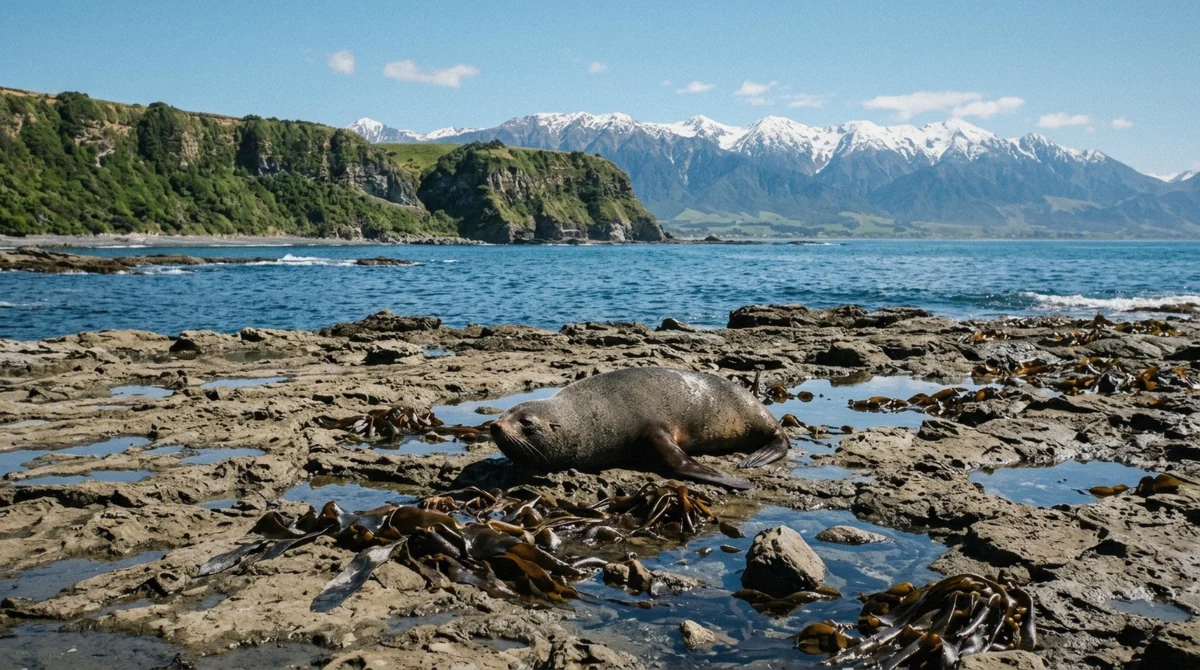
This is the one sighting on this whole list that costs nothing and needs no boat at all. Fur seals haul out year-round on the mudstone reef at Point Kean, at the end of the peninsula road, and along the roadside colony at Ohau Point on State Highway 1 north of town. Both are free, both are reachable by car, and Point Kean sits right at the start of the Kaikōura Peninsula Walkway covered further down this page.
DOC asks visitors to stay 10 metres from any seal, particularly around the Point Kean car park where seals sometimes rest close to the path itself.
Albatross and the Seabirds
Wandering albatross and shearwaters
Wandering albatross, with a wingspan of about 3 metres, are seen regularly in the open water beyond the peninsula, riding the same productive upwelling that draws the whales. Alongside them, the operator lists six shearwater species seen off Kaikōura, including Buller's, sooty, flesh-footed and short-tailed shearwaters, with no published pattern for which turns up when. None of this is a dedicated birding trip; it's what shows up incidentally on a wildlife-focused boat working the same stretch of water as everything else on this list.
The Seasonal Visitors
Humpback whale and orca
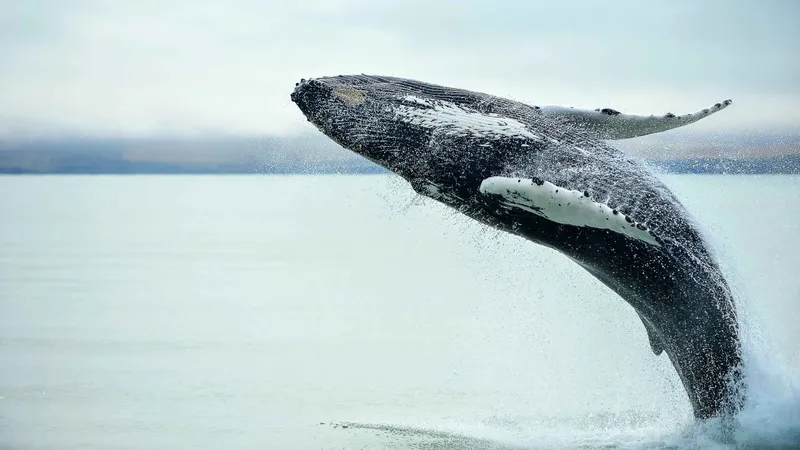
Humpback whales pass through Kaikōura's waters on their northbound migration in June, July and early August; DOC has surveyed this Cook Strait migration annually since 2004, and acoustic tracking has confirmed northbound whales moving through central New Zealand waters in that same window. Southbound humpbacks largely don't retrace the same coastal route, so a spring sighting isn't something to plan a trip around.
Orca
Orca are reported most often between December and March, though they're genuinely unpredictable visitors here, not a scheduled seasonal event the way the humpback migration is. Occasionally, blue whales, southern right whales, pilot whales and minke whales are recorded off Kaikōura too, with no reliable month attached to any of them; treat any of these four as a rare, lucky-day sighting rather than something to build a trip's timing around.
Why the Canyon Feeds All of It
None of this wildlife is a coincidence of geography; it's downstream of one feature. The Kaikōura Canyon runs about 60 km long, incised 600 to 1,200 metres below the surrounding shelf and slope and reaching depths of more than 1,000 metres, and it cuts closer to shore than any other canyon in New Zealand, coming within about half a kilometre of Goose Bay south of town. That steep, deep-water trench sits unusually close to land, and the canyon floor is one of the most productive deep-sea habitats yet described anywhere, with large-invertebrate biomass roughly 100 times what's typically measured elsewhere below 500 metres outside hydrothermal vents.
That productivity is the actual reason sperm whales stay resident here rather than migrating through like they do almost everywhere else they're found, and it's the same deep-water engine that keeps dusky dolphins, seals and seabirds fed close enough to shore to be seen from a boat or the peninsula path rather than far out at sea. The 2016 Kaikōura earthquake (magnitude 7.8, 14 November 2016) triggered one of the largest documented canyon-flushing events on record, moving about 850 megatons of sediment along the Hikurangi Channel and deepening parts of the canyon floor by up to 50 metres; NIWA reports the deep seabed has been recovering since. This is this site's own explanation of the canyon, in full; other pages on this site name it in passing and link back here rather than repeating it.
The Kaikōura Peninsula Walkway
The Kaikōura Peninsula Walkway is a 2.2 km clifftop track running from Point Kean on the northern side of the peninsula to South Bay on the southern side, and DOC suggests allowing about 3 hours to walk it properly, take in the views of the Seaward Kaikōura Range and the coast, and return to town via South Bay and Toms Track. It's the single best free way to combine several of the sightings on this page in one outing: seals at Point Kean at the start, open coastline the whole way along, and a chance at seabirds offshore, all without booking a boat.
The track has unfenced cliff edges in places, so stay on the formed path and keep a close eye on children, and the same 10-metre seal distance applies here as anywhere else in Kaikōura, particularly right at the Point Kean car park where the walk begins.
A quick reference for the walk itself, since the timing catches people out more than the distance does:
| Leg | Distance | What's there |
|---|---|---|
| Point Kean to the first lookout | Short, near the start | Fur seal colony on the mudstone reef |
| Full clifftop track, Point Kean to South Bay | 2.2 km one way | Coastline views, the Seaward Kaikōura Range, seabirds offshore |
| Return to town | Via South Bay and Toms Track | DOC suggests allowing about 3 hours for the whole outing |
None of these figures allow for stopping at the seal colony or waiting out other walkers on the narrower stretches; treat the 3-hour estimate as a floor, not a ceiling.
Where to Find Each One
The Point Kean seal colony at the start of the walkway, the Ohau Point roadside colony north of town, South Bay at the walkway's southern end, and the Whale Watch terminal where the boat departs.
How to Build a Wildlife Day
If you only have a couple of free hours and no car
walk the Kaikōura Peninsula Walkway from Point Kean; seals, coastline and seabirds, no booking required.
If you want the widest range of species in one outing
book the whale watching cruise, which puts you on the water for sperm whales, dusky dolphins and, on a lucky day, orca or a humpback.
If you're travelling up from Christchurch for the day
a day tour with a seal colony stop combines the cruise with land-based wildlife without needing your own car.
If dusky dolphins are the priority
book outside the 11:30am to 1:30pm rest period if you're travelling November to March; year-round, they're present on most water trips regardless.
If you're chasing a specific seasonal sighting
humpbacks mean June, July or early August; orca mean December to March, with no guarantee either way.
The Rules That Keep the Distance
Commercial marine mammal viewing in New Zealand requires a permit from the Department of Conservation, and every operator here works under the Marine Mammals Protection Regulations 1992. No more than three vessels or aircraft may be within 300 metres of a marine mammal at once, and boats approach whales from behind and to the side, never head-on and never cutting across the animal's path.
Swimming with whales is not permitted anywhere in New Zealand; swimming with dolphins is a separate, specifically regulated activity and not something offered as part of the tours covered on this site. On land, DOC asks visitors to stay 10 metres from any seal, a rule worth taking seriously at Point Kean in particular, where seals sometimes rest close enough to the path that the distance is easy to misjudge. None of these rules exist to make the wildlife harder to see; they're what keeps it showing up here at all.
Frequently Asked Questions
What animals can you see in Kaikōura besides whales?
Dusky dolphins, New Zealand fur seals, wandering albatross and several shearwater species are the regular sightings alongside the resident sperm whales. Humpback whales (June to early August) and orca (most often December to March) are seasonal, never guaranteed.
Where can you see seals in Kaikōura for free?
Point Kean, at the start of the Kaikōura Peninsula Walkway, and Ohau Point, a roadside colony on State Highway 1 north of town. Both are free, land-based, and don't require a tour.
Are dolphins guaranteed on a Kaikōura whale watching trip?
No sighting is ever guaranteed, but dusky dolphins are present off Kaikōura year-round in pods that can number in the hundreds, and they're seen on most water trips.
How close can you get to a seal in Kaikōura?
DOC asks visitors to stay at least 10 metres from any seal, particularly at the Point Kean car park where seals sometimes rest close to the walking path.
Can you swim with whales in New Zealand?
No. Swimming with whales is not permitted anywhere in New Zealand. Swimming with dolphins is a separate, specifically regulated activity and isn't part of any tour covered on this site.
How long is the Kaikōura Peninsula Walkway?
2.2 km one way, from Point Kean to South Bay. DOC suggests allowing about 3 hours to walk the full route and return to town, including time to take in the views and any wildlife along the way.
The whales are the reason most people book a trip to Kaikōura, but the seals at Point Kean, the dolphins on most crossings, and an albatross gliding past the boat are what fill the rest of the day out. Start with the free walkway if you're short on time, then build outward from there once you know which of the marine wildlife trips at Kaikōura fits your schedule.